

This series isn’t about productivity hacks or getting-things-done tricks. It’s about building a robust, failure-resistant system that works *with* your brain, not against it. Whether you’re managing complex projects, juggling multiple roles, or simply tired of forgetting important things, these principles will transform how you work.
By 2020, I was as good as dead. My chance of survival was 5 percent. In intensive care, I was trapped between life and death for more than four weeks, only kept alive by ECMO1 and various medications.

When I finally returned to the living, many things were different. I had to learn to walk and climb stairs again. Also, regaining my ability to speak and write was difficult. I struggled with derealization and depersonalization. My short-term memory was as full of holes as a sieve, and time seemed to jump back and forth at will.
An intensive care nurse later told me that my chance of recovering and fully returning to my professional life was one in a million. Luckily, I took the opportunity.
Why am I telling this story? Because that’s what led me to Roam Research. In rehabilitation, I worked primarily on my physical deficits, respiratory, and dizziness through physical therapy, stair climbing, and increasingly longer walks. Cognitive exercises were also part of the treatment - simple logic tasks, memory games, and math problems.
But when I returned home, I also began to work on my short-term memory and searched for support. Being a computer scientist, I naturally probed for digital helpers.
A long time ago…
I was a sloppy note-taker in school. It got better at university, but for lack of a laptop (unaffordable) or tablet (there was no such thing back then), most of my notes were simply on paper. I created digital notes on my computer at home for essential lectures, first with Word and later with LaTeX, because I needed a lot of mathematical formulas.
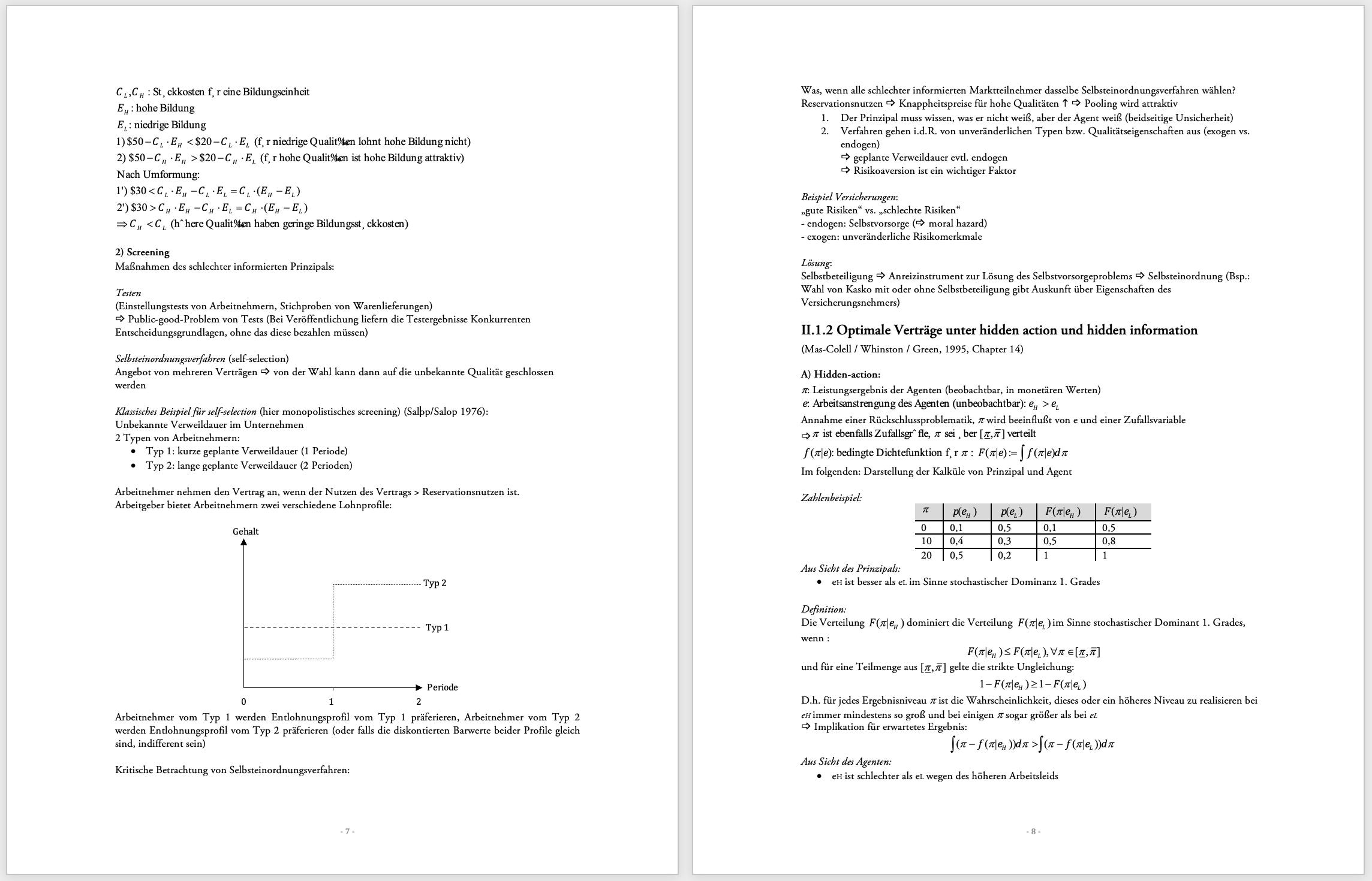
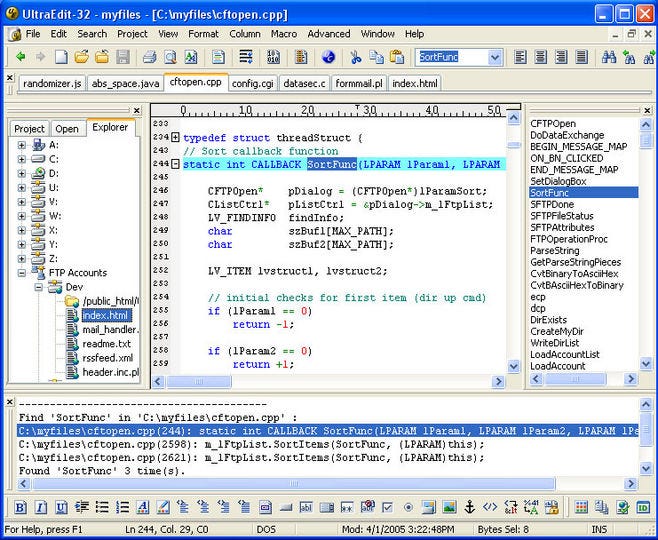
The big problem was to make information findable. Wikilinks had just been invented and were yet to be widespread. I used simple folder structures and long documents in the file system. For searching information, I used either the respective editor (Word or UltraEdit2) if I knew which document could be in question or Copernic Desktop Search3 if I did not know. My handwritten notes were not searchable for obvious reasons (and OCR wasn’t readily available then).
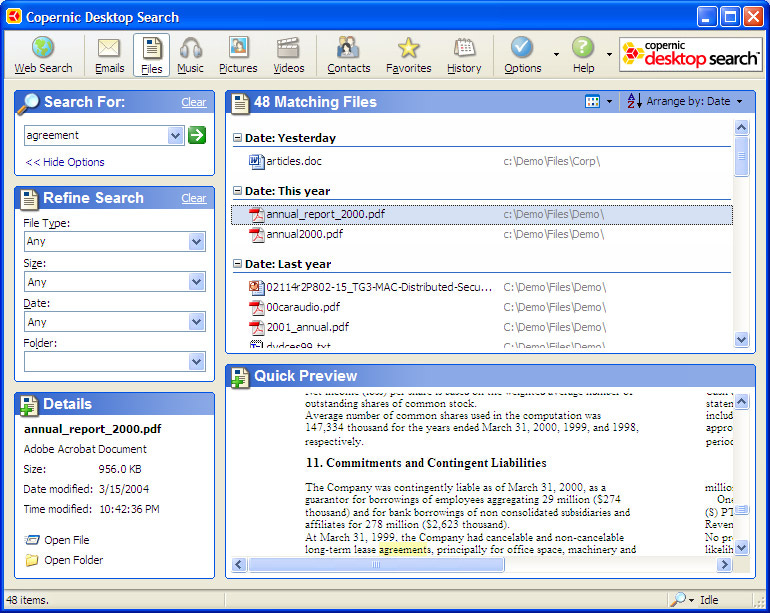
I continued my studies and began my professional life; I made repeated attempts to organize my notes differently. I experimented with content management systems like Plone4 and Typo35 because I liked to have my notes accessible everywhere.
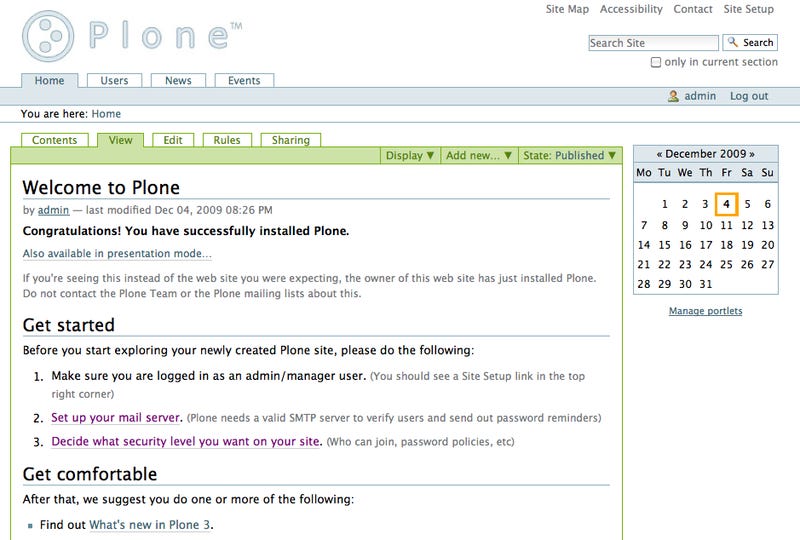
However, the maintenance was laborious, using formulas was cumbersome, and it was not suitable for appointments. At some point, my notes were scattered around—some in the notebook, some in text files, some in folders or emails, and various collections of links in the browser. In 2011, I discovered Wunderlist and started managing my tasks within it.
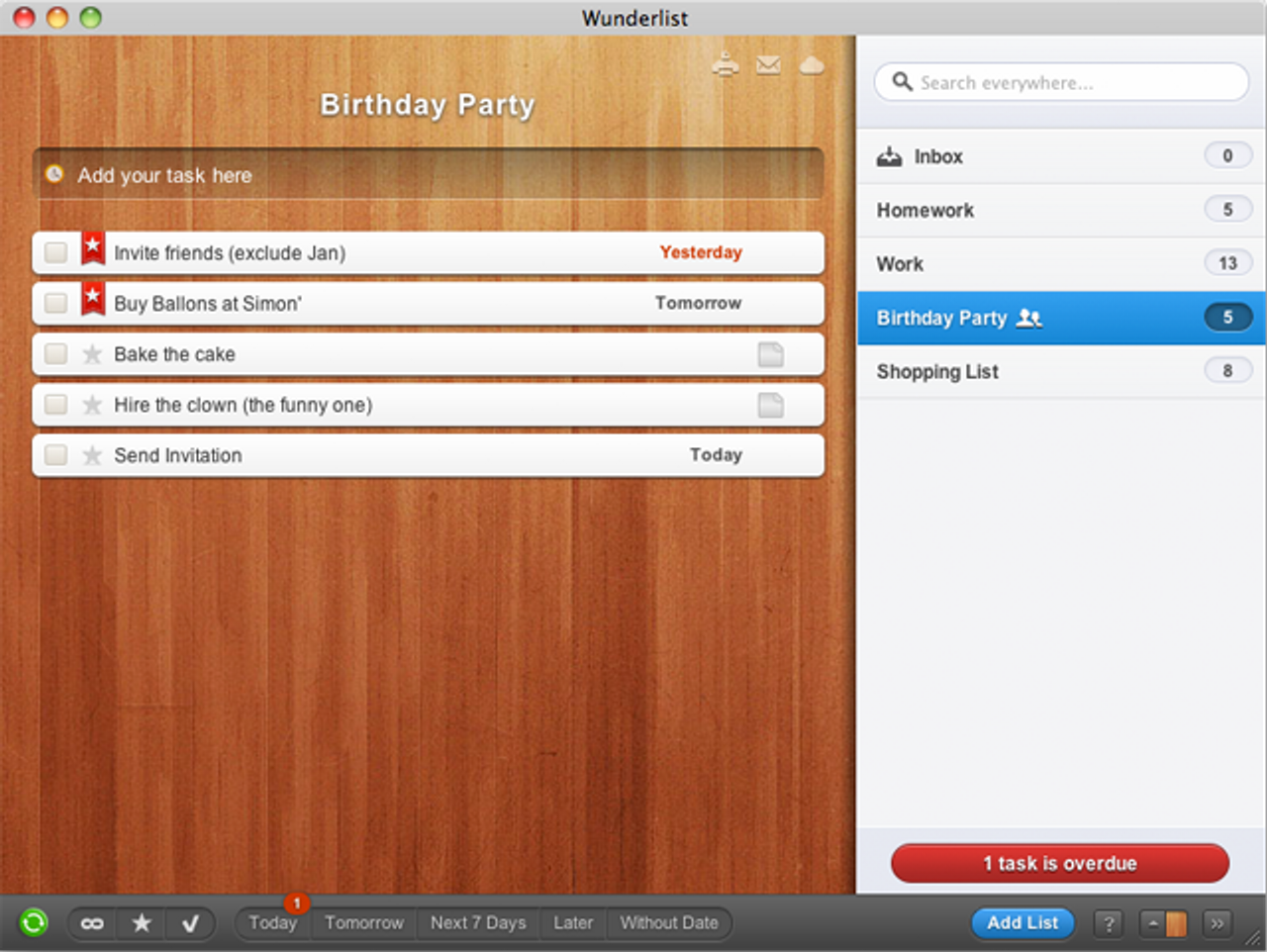
The cognitive load of finding something when needed was so high, using so many different tools, that I tended to search the web rather than my notes. In 2016, I discovered DEVONthink and organized my files with it. It offered an excellent full-text search (even for PDFs) and a convenient way to organize by tags.
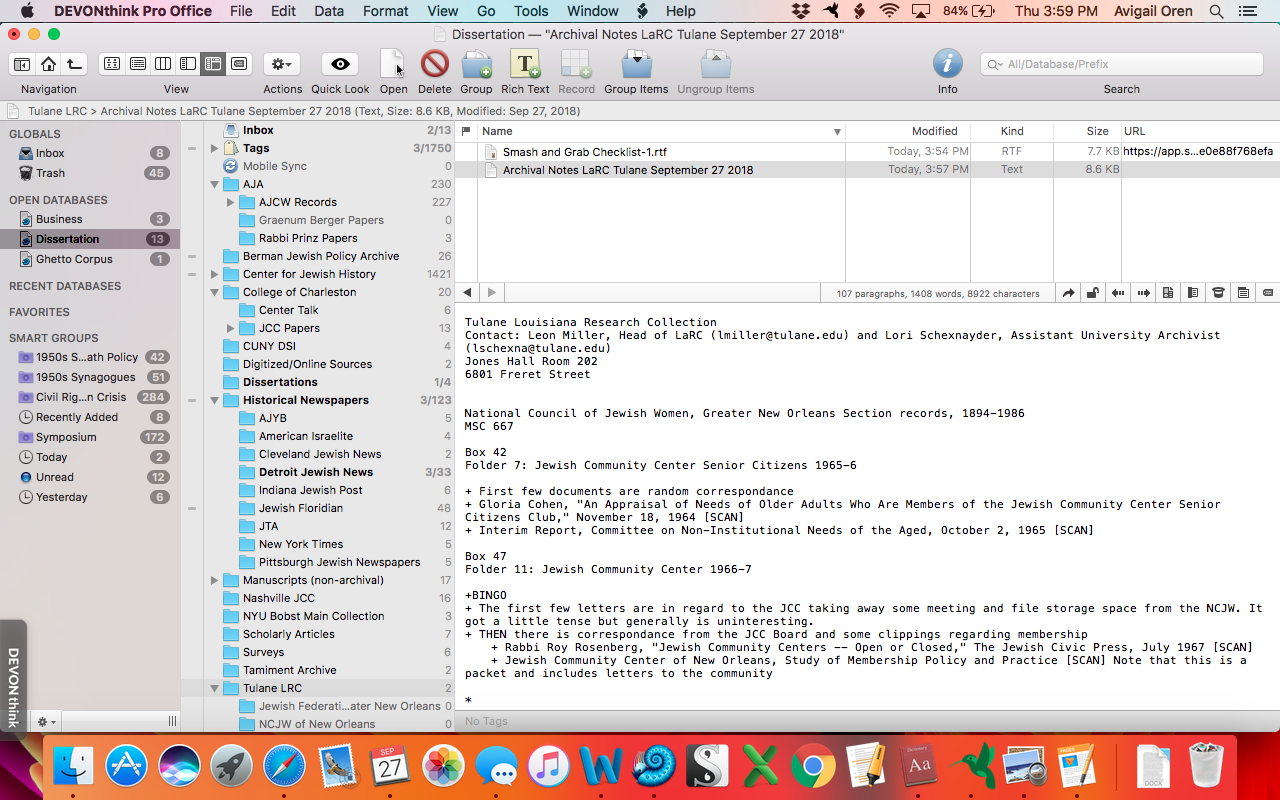
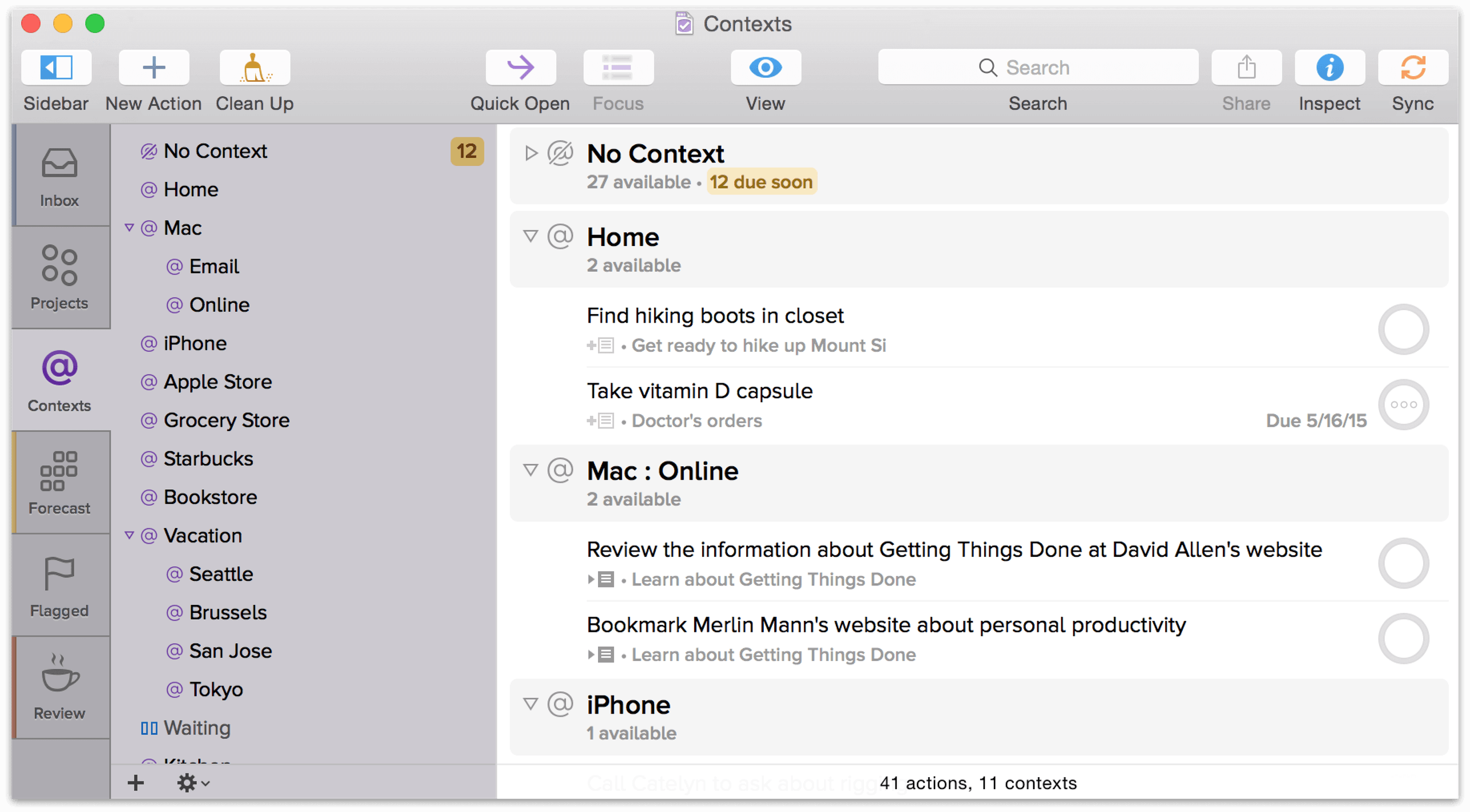
But DEVONthink had a significant problem; it wasn't available for Windows, which was used at work. And it did not support task management, which I solved with OmniFocus 2 and later Things 3, replacing Wunderlist after Microsoft bought it in 2015. Today, I still use DEVONthink for my private files.
At work, I tried Microsoft OneNote (and found it very confusing) and discovered Notion in 2017.
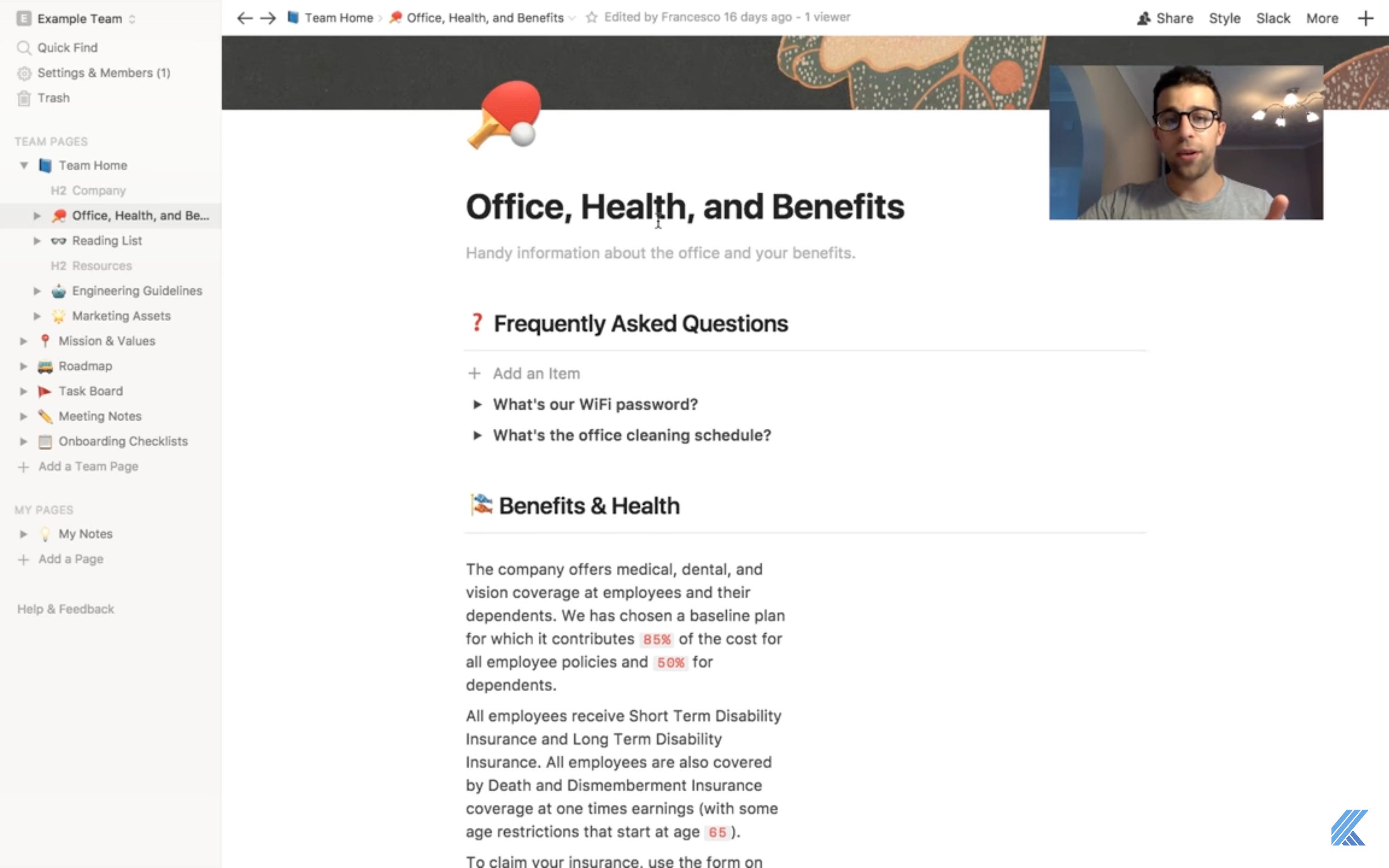
I loved Notion’s wiki-style, clean design, and multi-user capabilities. It supported formulas, code blocks, videos, and bookmarks, and it worked on Windows using just the browser. There were two downfalls: no offline mode and no integrated task management. I’m still using Notion sometimes today, especially when I want to share a document or work with others on it quickly.
Combining code snippets, meeting notes, project ideas, bookmarks, and task management into one single application remained a persistent idea in my head. And this deep desire finally led me to Roam Research when I was looking for something to support my recovery.
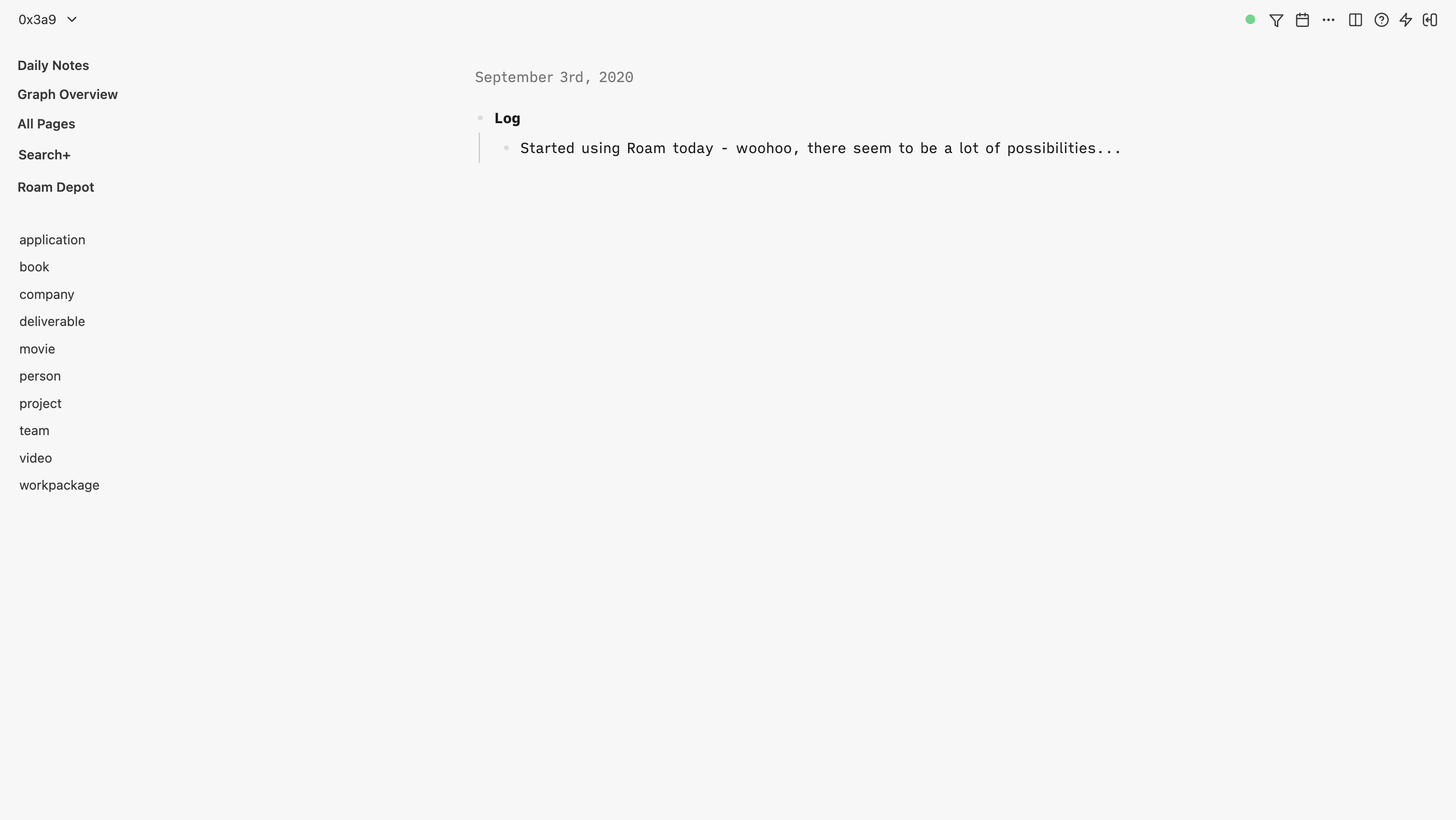
I started using Roam in September 2020. In the following articles, I will explain how I use it to manage my busy life.
The Busy Architect’s Guide to Roam Research
Día de Muertos - or how I discovered Roam Research (this article)
A structured way of organizing Roam Research - Using an Ontology
A “Remembrall” for your meetings - How to efficiently plan and record meetings
Extracorporeal membrane oxygenation
First released in 1994
First released in 2001
Also released in 2001